You must have regular cleaning based upon risk factors, operational volume, allergen concerns, and regulatory checks, combined with verification documentation demonstrating food safety protocols, regulatory audits, and government health requirements. The following sections detail critical cleaning system elements.
Important Highlights
- Food safety cleaning specialists in Brampton support restaurants, grocery departments, commissaries, warehouses, bakeries, schools, mobile vendors, and allergen-sensitive operations.
- Cross-contamination elimination is accomplished by sanitizing frequently contacted areas, food-contact equipment, kitchens, floors, drains, restrooms, and storage areas with compartmentalized approaches.
- Approved vendors validate approved sanitizer dilution, appropriateness, and contact time, then document completion with tests, assessments, and corrective-action records.
- Proper sanitation schedules consider risk, throughput, format changes, incidents, and regulations when assigning routine, weekly, and cyclical duties by section.
- Coverage, color-categorized instruments, HACCP, public-health understanding, WHMIS preparation, credentials, and audit-ready cleaning paperwork are essential vendor qualifications.
Which Brampton Establishments Need Food Safety Cleaning?
Brampton venues that deal with, maintain, prepare, package, or provide food require food sanitation. Implement it if your establishment is subject to health reviews, food regulations, or HACCP protocols. The obligation covers dining establishments, employee cafes, food distributors, market sections, meat shops, fish counters, local shops, and commercial kitchens.
You also need documented food sanitation in distribution centers, food processing plants, freezer facilities, commercial bakeries, educational nutrition programs, event spaces, and catering hubs. Portable and seasonal businesses count too, including food trucks, event vendors, and temporary booths. If your staff work with raw supplies, divide prepared foods, warm dishes, or organize allergen inventory, your facility needs established sanitation documentation. In Brampton, cleanliness isn't voluntary; it's part of statutory, business, and public health compliance.
Which Areas Do Brampton Cleaning Experts Cover?
Your operation needs cleaning professionals who sanitize all high-touch areas, cooking and food prep areas, all floor types, and restrooms to maintain food safety compliance and public health standards. These zones receive attention because they represent the most significant contamination risk, hazardous walking conditions, and breaches of sanitation codes.
When you understand what they clean, you can ensure your operation's cleaning procedures satisfy compliance and operational standards.
Key High-Touch Surface Sterilization
establish a disinfection protocol
check that sterilization is effective and support corrective actions if results come exceed acceptable limits
Cooking Zones, Walking Surfaces, and Restroom Environments
Brampton cleaning professionals will address kitchens, floors, and restrooms since each space presents separate hygiene concerns, slip-and-fall, and community health challenges. In industrial kitchens, you need degreasing on cook lines, equipment exteriors, drains, prep surfaces, and splash zones to reduce contamination and pest pressure.
Floor care that is documented should equally be anticipated. Technicians scrub and extract buildup from grout, tile, and vinyl flooring, then apply appropriate drying controls so you can reduce slip incidents and meet regulatory standards. They also handle entryways where moisture and debris migrate indoors.
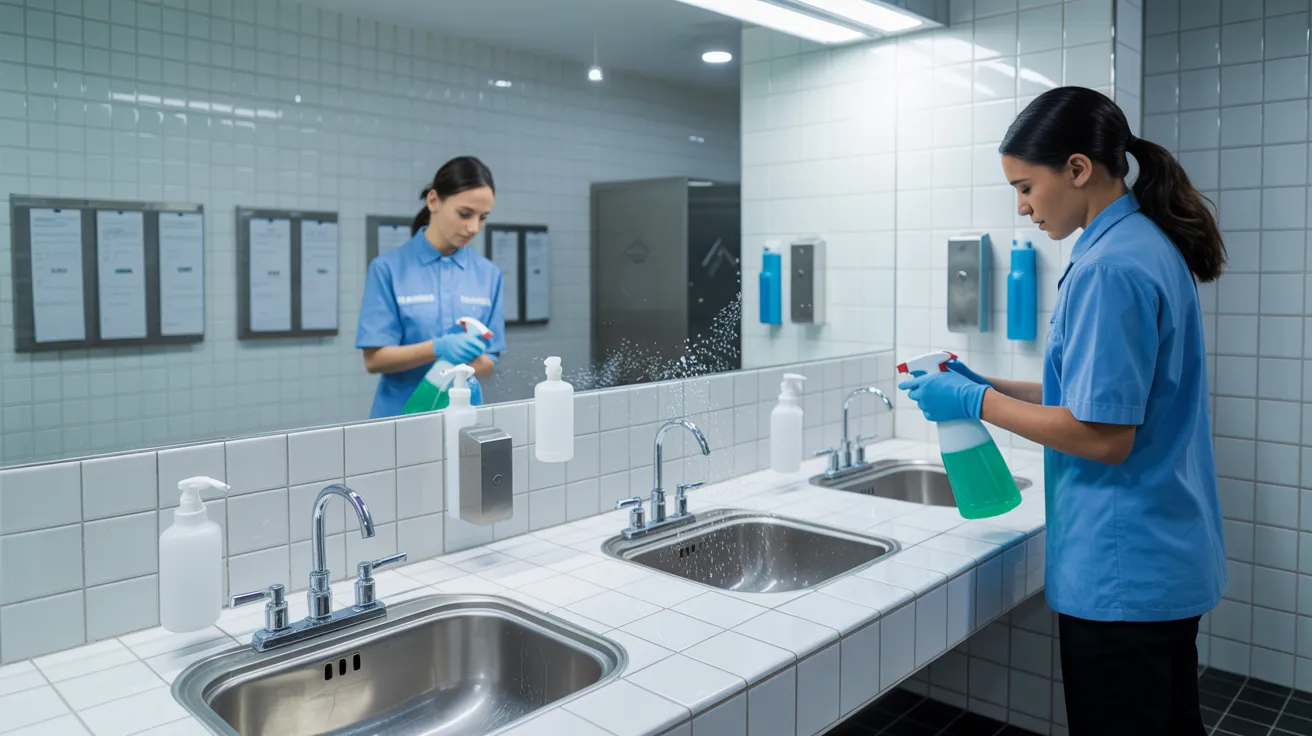
In restrooms, cleaners disinfect contact surfaces, bathroom hardware, partition walls, accessory dispensers, and receptacles then refill supplies and eliminate odor. They also maintain restaurant cleaning supply rooms where product storage, sink cleanliness, and drain systems impact daily sanitation standards and worker protection.
Why Food Safety Cleaning Matters in Brampton
In Brampton, you must copyright sanitary cleaning practices to meet health code requirements and pass inspections. You also reduce bacterial spread through proper cleaning of food-preparation surfaces, appliances, and frequently-touched items. Most importantly, you safeguard public health by lowering the risk of foodborne illness in your facility.
Sanitary Standards Adherence
Brampton food companies must comply with strict public health standards, so food safety cleaning is key to meeting health codes, safeguarding customers, and eliminating penalties. You must maintain clean food preparation areas, written maintenance records, proper chemical use, and documented employee protocols that meet municipal and provincial inspection expectations.
When inspectors examine your operation, they determine whether your sanitation system supports safe storage, machinery hygiene, trash control, and facility cleanliness.
Cross-Contamination Management
Following health code standards depends on your ability to prevent cross-contamination in daily food handling and cleaning. You should isolate raw items from prepared foods, disinfect work areas after use, and maintain separation of cleaning products from food. Well-defined guidelines decrease contamination chances and support consistent compliance during inspections.
You might establish allergen separation to stop main allergens from reaching shared surfaces, containers, or equipment. Apply separate boards, color-marked equipment, and strict utensil labeling so staff don't mix items during preparation or service. Mandate handwashing after handling uncooked meat, fish, egg products, or allergens. Swap cleaning rags frequently, and check sanitizer strength with test strips. When employees learn these procedures every shift, you create a cleaner, safer operation that meets Brampton's food safety expectations every day.
Community Health Protection
Should cleaning standards collapse, you don't simply risk a failed inspection—you expand the odds of foodborne illness impacting customers, staff, and the wider Brampton population. You also weaken your role in safeguarding community wellness, especially in high-traffic food premises where pathogens travel quickly through surfaces, equipment, and touchpoints.
You require sanitation systems that eliminate soils, disinfect appropriately, and validate outcomes. This involves maintaining exposure durations, using authorized sanitizers, documenting procedures, and coaching employees to satisfy regulatory requirements. These measures prevent illness spread by minimizing pathogens before contaminating food or hands. Throughout Brampton, strong cleaning protects vulnerable communities, reduces outbreak risk, and demonstrates accountability. When you adhere to standards, you go beyond requirements—you lower hazards and enable safer food service region-wide.
How Does Cleaning Support Food Safety Compliance?
Adopting thorough cleaning protocols reinforces food safety compliance by lowering contamination exposure, managing pathogen expansion, and keeping your facility aligned with sanitation requirements under HACCP-based programs and public health regulations. You ensure that contact surfaces remain visibly clean and microbiologically controlled, facilitating documented preventive controls and inspection readiness.
Comprehensive cleaning moreover reinforces allergen prevention by removing residues that can provoke undeclared allergen exposure. When you integrate validated sanitation procedures with regulatory training, your staff can follow standardized methods, handle approved chemicals accurately, update records correctly, and respond to variations prior to they escalate. Regular cleaning supports supply chain documentation, verifies corrective actions, and shows responsibility during audits. Moreover, it supports you safeguard quality assurance, sustain operational compliance, and lower the likelihood of enforcement actions, recalls, grievances, and unnecessary health hazards.
When Do You Schedule Commercial Cleaning?
food contact surfaces, bathrooms, and high-contact areas
facility shutdowns, seasonal-related soil accumulation, or pest-control management windows.
How Do You Choose Brampton Cleaning Experts?
Begin by evaluating providers based on sanitation compliance standards—not solely on budget. You should confirm that each organization comprehends CFIA, public health, and HACCP-based requirements applicable to your facility. Request insurance certificates, WHMIS compliance, staff training documentation, and oversight procedures. Assess whether technicians recognize cross-contamination hazards, chemical handling protocols, and verifiable sanitation records.
You should further examine service consistency and answerability. Request testimonials from Brampton food businesses, then review reply speed, corrective action plans, and communication standards. Validate the company supports supplier audits and can supply compliance documentation to authorities or external parties. Confirm equipment receives maintenance, color-coded implements are applied correctly, and facility-specific risks are recognized. A experienced service ensures regulatory compliance, product integrity, and your reputation in the market.
What details should a sanitation plan contain?
Document a plan that outlines every sanitation activity, guideline, and role before production begins. You should include cleaning schedules, approved products, ratios, contact periods, tools, and validation approaches for each area, surface, and device. Remember to add pre-operational inspections, corrective actions, and employee training requirements.
Your framework should also include cross-contamination prevention, waste disposal, pest management measures, and scheduled documentation for restrooms, drains, floors, and food-contact areas. Specify how you'll distinguish raw from ready-to-eat operations, help with ingredient tracking, and copyright accurate allergen labeling through validated cleaning between product changes. You should define accountability, maintain signed records, and check results against regulatory standards, HACCP controls, and customer requirements. When gaps appear, revise procedures immediately and retrain staff.
Frequently Asked Questions about the Plan
Can cleaning services support nighttime operations in Brampton facilities?
If you run controlled spaces, you'll also need records that enable audits and maintain assurance.
Do Brampton cleaning experts provide emergency spill response services?
Yes, you can expect Brampton sanitation professionals who offer emergency spill response services. They handle contamination, assess risks, contain contamination, and begin swift cleanup to reduce exposure and prevent business interruption. You should verify arrival timeframes, training certifications, PPE protocols, and disposal procedures. If your facility must comply with industry standards, choose a provider that documents incidents, maintains regulatory procedures, and enables compliance verification.
Do eco-friendly disinfectants function safely on food preparation areas?
Absolutely, eco-friendly disinfectants are suitable for food-handling equipment when you find guide choose products labeled food safe and complying with regulations. You must verify application timing, dilution rates, and rinse requirements in advance of use. Natural-based solutions decrease toxic chemical contact, though you require confirmation of performance against relevant pathogens. For maintaining residue free surfaces, implement manufacturer instructions exactly and validate the sanitizer adheres to food industry regulations.
Can maintenance plans be customized for seasonal shifts?
Absolutely, cleaning schedules allow customization for production fluctuations. Adapt intervals, labor allocation, cleaning agents, and validation steps to match production rhythms while sustaining regulatory requirements. Reduce production interruptions through planning sanitation during changeovers, high demand periods, and usage patterns. Additionally update standard operating procedures, training, and facility monitoring to account for transient threats, novel allergens, or increased soil loads. Periodic assessments preserve your program efficient.
Are professional cleaning companies providing staff training on sanitation best practices?
Absolutely, commercial cleaners regularly deliver staff training on sanitation best practices. Your staff receives instruction on correct chemical handling, dwell times, cross-contamination prevention, machine takedown, and paperwork. They generally match guidance with HACCP, GMP, and CFIA or regional health authority requirements. Many conduct sanitation audits to ensure adherence, pinpoint weaknesses, and strengthen corrective measures. This helps you maintain consistent procedures, clear audits, and lower contamination dangers routinely.
Closing Remarks
When you partner with Brampton food safety and commercial cleaning specialists, you don't just tidy up—you maintain your facility audit-prepared and your protocols compliant. From processing areas to kitchen spaces, every polished surface and well-kept corner minimizes pest intrusion and avoid expensive problems. By scheduling service at the proper frequency and following a clear cleaning plan, you safeguard employees, patrons, and your brand image. In a strict regulatory setting, clean spaces are essential—they're fundamental to proper operations.